
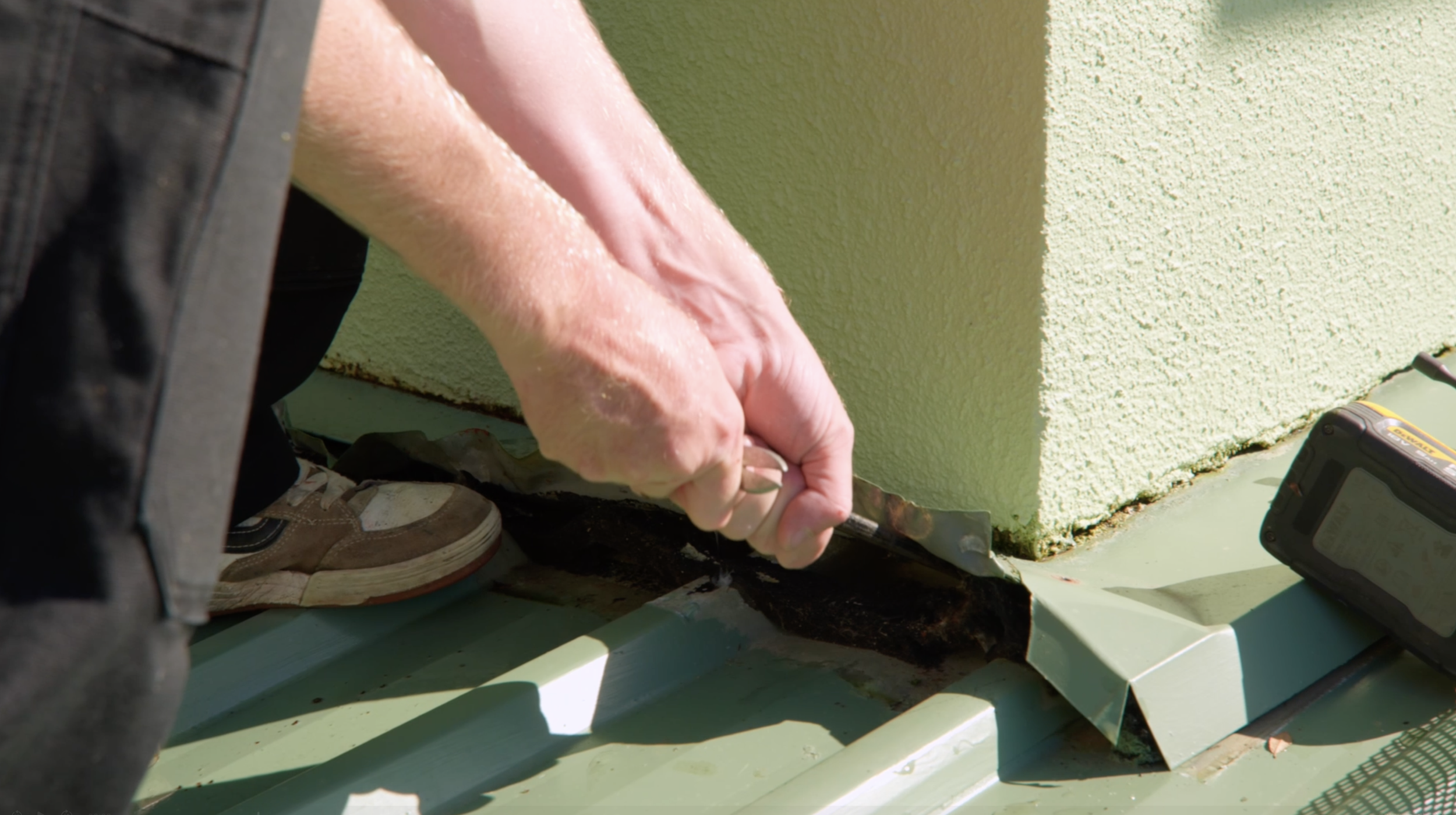
Roof replacements

Sometimes, you just need a clean slate.
Our roofing experts are committed to giving you an honest diagnosis backed by extensive knowledge and experience. Depending on what we find during our free roof assessment, your best plan of action may be to replace your roof entirely.
Despite the durability of various roofing systems, exposure to harsh weather will gradually impact your roof's condition. Without regular maintenance like washing and treating for lichen and moss, your roof may have a shorter lifespan than expected. A deteriorating or hazardous roof puts your property at risk – replace it before it becomes a liability.
If you already know that it’s time to replace your roof, feel free to browse our high-quality products and get a feel for what style you’re after. Our team will work with you to select the perfect product to suit your needs and look fantastic.
What are the signs of an ageing roof?
Our checklist will show you what issues to look out for.
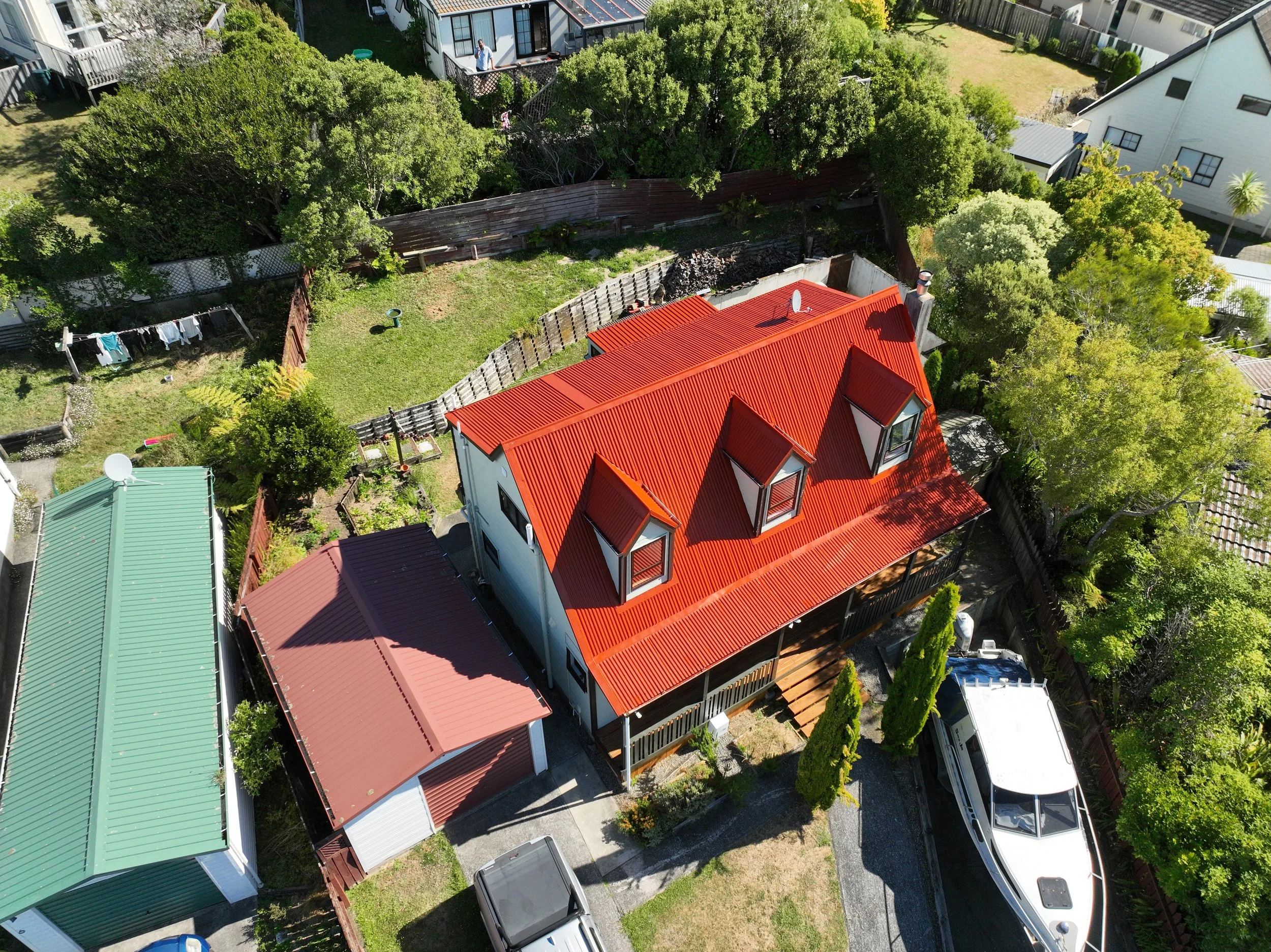
When is it time for a new roof?
An iron roof can provide many years of service, but eventually the roofing material and protective coatings reach the end of their useful life.
Rust, corrosion, recurring leaks, deteriorated fixings and widespread coating failure can all be signs that it is time to consider a reroof.
A roof assessment will determine whether the existing roof can be restored or whether replacement is the better option.
Common signs include:
Widespread rust or corrosion
Repeated leaks
Significant deterioration of the roofing sheets
Loose or deteriorated fixings
Failing protective coatings
Ongoing maintenance problems
Previous repairs no longer providing a reliable solution
Our reroofing process
1 – Assess
The existing roof is inspected and the condition of the roofing, flashings, fixings and other visible components is assessed.


2 – Plan
The appropriate roofing material, profile, flashings, fixings and detailing are selected for the property.
3 – Prepare
Access, site protection and safety requirements are put in place before work begins.

4 – Remove
The existing roofing is removed so the underlying structure and substrate can be inspected.

5 – Repair
Any issues identified beneath the existing roof are addressed before the new roof is installed.

6 – Install
The new roofing, flashings, fixings and associated components are installed as specified.

7 – Complete
The finished roof is inspected and the site is cleaned and left tidy.

High-quality work and products. Impeccable results.
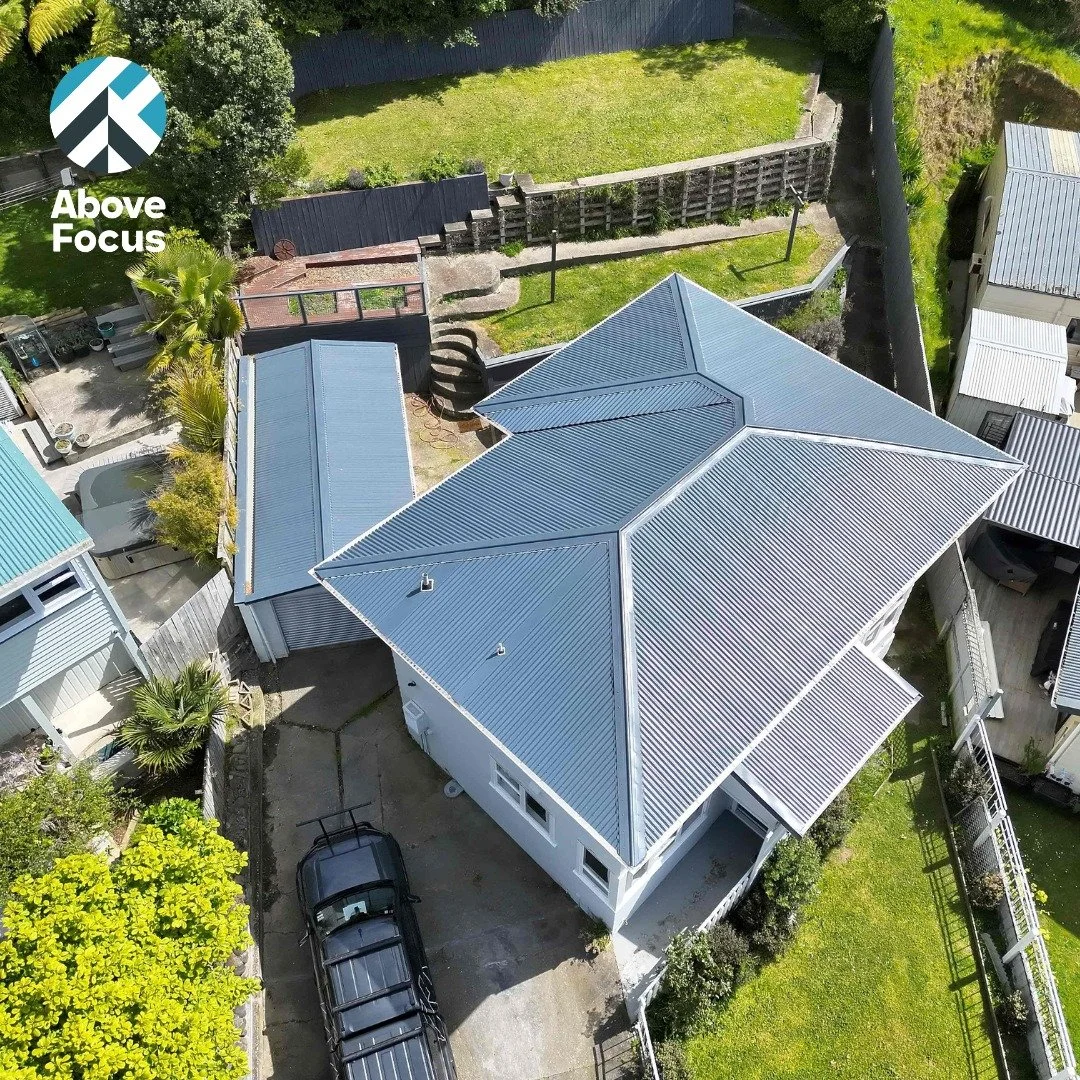
Case study — Takapūwāhia
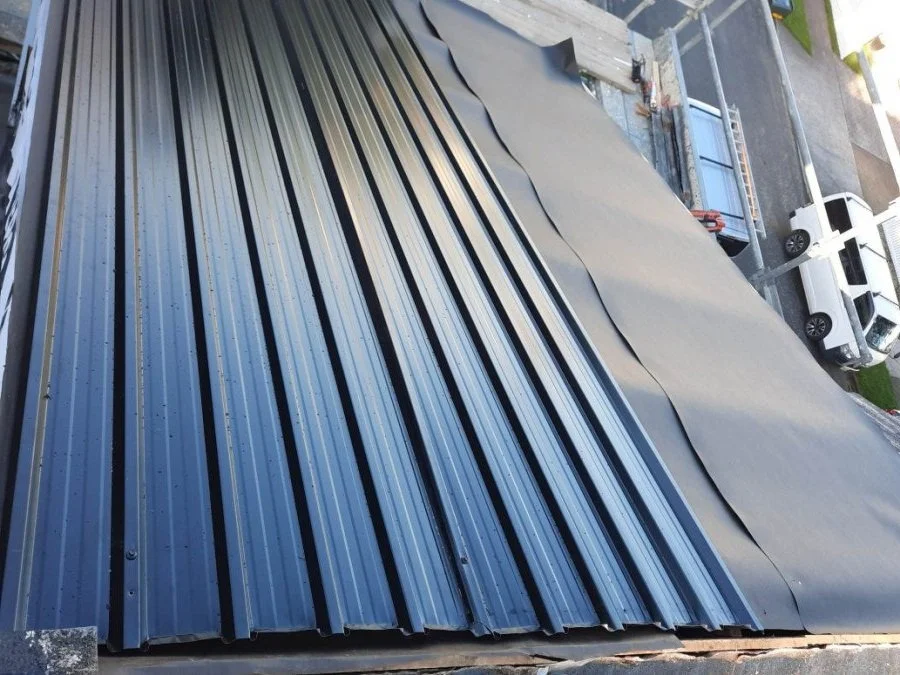
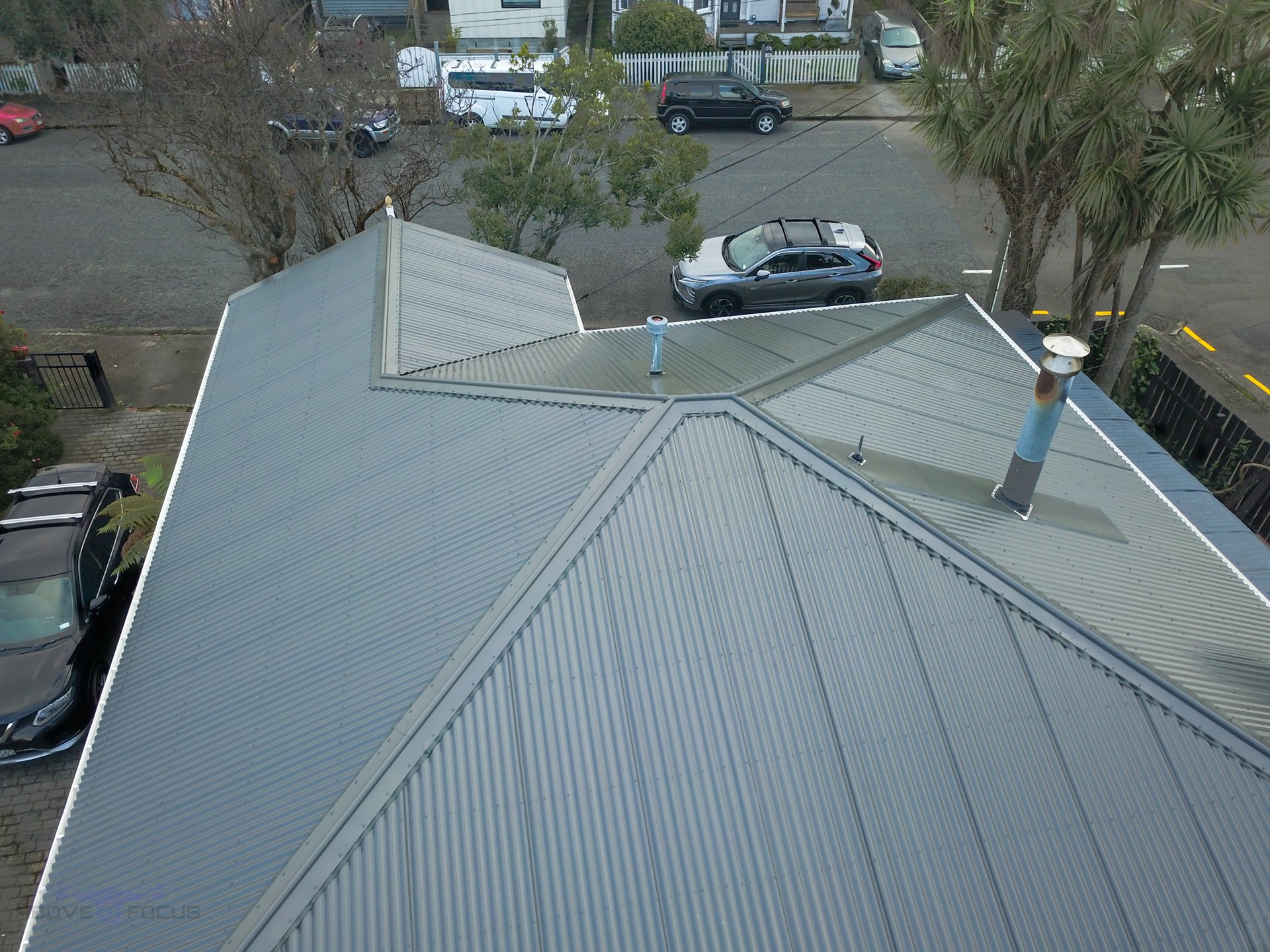
Above Focus replaced the existing roof at Takapūwāhia after it had reached the point where a new roofing system was required.
The project provided a new roof suited to the property and its ongoing requirements.

BEFORE

AFTER

BEFORE
AFTER
“The Above Focus team have done a fantastic job re-roofing my 1910 villa in Petone. They were very easy to communicate with and were very responsive to questions. The job was completed ahead of time and on-budget.
They have a real focus on doing a quality job and pointed out additional suggestions for work that would improve my roof. Once completed the roof looks fantastic.”
— Neil, Petone (Client)
Iron Reroof FAQs
-
It depends on the condition of the existing roofing.
If the roofing material is still fundamentally sound, restoration may be a suitable option.
If deterioration is widespread or the roof has reached the end of its serviceable life, replacement is generally the better long-term option.
-
There is no single sign that means a roof must
be replaced.Widespread corrosion, repeated leaks, deteriorated roofing sheets, failing coatings, loose fixings and recurring repair requirements can all indicate that replacement should be considered.
A proper assessment is needed to determine whether restoration remains viable.
-
Sometimes.
Surface corrosion and localised deterioration can often be treated if the underlying roofing material remains sound.
If corrosion has significantly affected the roofing sheets, restoration may no longer provide a suitable long-term solution.
-
This depends on the existing roof, the proposed roofing system and the building.
Removing the existing roof can also provide an opportunity to inspect the underlying structure and address problems that would otherwise remain hidden.
-
Once the existing roofing is removed, the underlying substrate and structure can be inspected.
If issues are found, they can be addressed before the new roof is installed. The extent of any remedial work will depend on what is discovered.
-
Products are selected according to the requirements of the property and its environment.
Above Focus works with established roofing products including COLORSTEEL and Colorcote, along with quality roofing components and fastening systems.
-
Yes.
Regular cleaning, gutter maintenance and inspection are important for keeping a new roof in good condition and meeting applicable product maintenance requirements.
-
Service life depends on the roofing product, coating, environment, installation and maintenance.
Roofs exposed to coastal conditions, salt air or other harsh environments may have different maintenance requirements from those in more sheltered locations.
-
In some situations, yes.
Whether partial reroofing is appropriate depends on the condition and layout of the existing roof, the relationship between different roof areas and the proposed roofing system.
Can you change the roof profile when reroofing?
Potentially. The appropriate profile depends on the building, existing structure, roof pitch, drainage requirements and other factors.
Any proposed change needs to be assessed as part of the reroofing design.